
Home | Residential Treatment
A Higher Level of Care
Addiction is a complex condition that affects the body, mind, and behavior. For many individuals, residential treatment offers the structured, supportive environment needed to begin recovery successfully. At Raleigh Recovery Center, our residential programs provide evidence-based care designed to stabilize clients, address co-occurring disorders, and lay the foundation for long-term sobriety.
Residential treatment is a key component of the continuum of care, bridging detox, outpatient treatment, and aftercare. While treatment often begins with detox, clients may enter residential care at different points in their recovery journey. The ultimate goal is to equip individuals with the tools, skills, and support necessary to maintain lasting recovery.

Understanding Residential Care
Residential treatment, sometimes called inpatient treatment, involves living at a treatment facility full-time while receiving comprehensive clinical care. This level of care is appropriate for individuals who:
At Raleigh Recovery Center, residential treatment combines clinical therapy, holistic programming, and individualized support to address the physical, psychological, and social aspects of addiction.
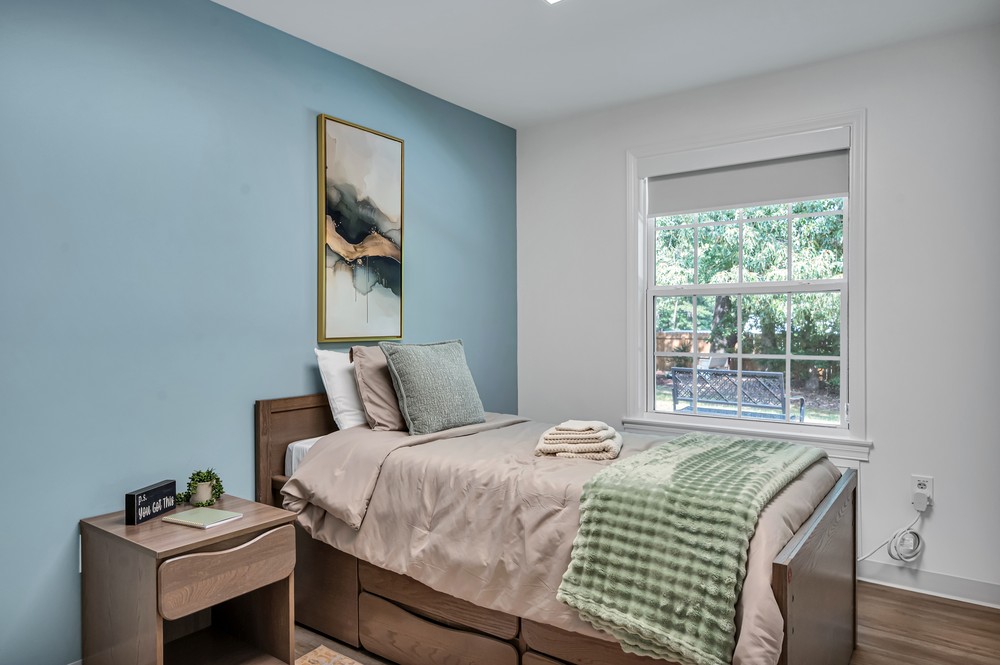
Detox & Stabilization - COMING SOON!
Many clients entering residential treatment begin with medically supervised detox, though it is not always required. Detox is the process of safely removing drugs or alcohol from the body while managing withdrawal symptoms. For individuals with significant physical dependence, detox ensures a safe and stable start to recovery.
Once detox is complete, residential treatment can provide a structured environment where clients focus on therapy, life skills, and emotional healing. Even for those who do not require detox, residential care offers a controlled setting to address addiction without distractions or triggers from the outside world.
Dual Diagnosis Care
Addiction often occurs alongside mental health conditions, including:
Raleigh Recovery Center provides integrated dual diagnosis treatment, meaning we treat substance use disorders and co-occurring mental health conditions simultaneously. Addressing these issues together is critical because untreated mental health concerns can undermine recovery efforts and increase relapse risk.
Residential care allows for consistent monitoring and individualized therapy plans that target both addiction and mental health challenges. Our clinical team utilizes evidence-based therapies, such as cognitive-behavioral therapy (CBT), dialectical behavior therapy (DBT), and trauma-informed care, to help clients develop coping skills and emotional resilience.
how it works
Daily Structure
Residential treatment provides a highly structured daily schedule that includes:
This structured approach helps clients build routines, develop healthy habits, and focus on recovery without outside distractions. Peer support in residential programs fosters a sense of community, accountability, and shared experience, which is critical for sustaining motivation and engagement in treatment.


Continuing Care
Residential treatment is one part of the continuum of care, a structured progression of treatment levels designed to support long-term recovery. After completing residential care, many clients transition to less intensive programs such as:
This continuum ensures that clients receive the right level of care at each stage of recovery, reducing the likelihood of relapse and promoting long-term success.
What to Expect
After completing residential treatment, aftercare is a critical component of lasting recovery. Aftercare programs may include:
Aftercare provides structure, accountability, and continued guidance, helping individuals apply the skills they learned in residential treatment to real-world situations. Research shows that clients who engage in aftercare are significantly more likely to maintain sobriety over the long term.
Every client at Raleigh Recovery Center receives a personalized treatment plan. Clinical assessments identify:
This individualized approach ensures that treatment addresses each person’s unique needs and circumstances. By integrating clinical care, therapy, and wellness programs, residential treatment at Raleigh Recovery Center promotes holistic healing.
Residential treatment at Raleigh Recovery Center goes beyond traditional therapy. Holistic programs address the mind, body, and spirit, supporting recovery in multiple dimensions. These programs may include:
Integrating wellness into residential care helps clients develop balanced lifestyles, improve emotional regulation, and reduce relapse risk.

Why Residential Treatment
Residential treatment offers several advantages for individuals seeking addiction recovery:
Residential treatment creates a foundation for lasting recovery by addressing addiction comprehensively.
Addiction is challenging, but professional, structured support can make recovery achievable. Residential treatment at Raleigh Recovery Center provides a safe, therapeutic, and holistic environment for individuals to heal from substance use disorders and co-occurring mental health conditions.
Whether treatment begins with detox or directly with residential care, our programs guide clients through the continuum of care, transitioning smoothly to outpatient programs and aftercare. With individualized treatment plans, integrated mental health support, and evidence-based therapy, residential treatment lays the groundwork for lasting sobriety and improved quality of life.
Recovery begins with a decision to seek help. Residential treatment at Raleigh Recovery Center is the first step on a path to safety, stability, and long-term recovery.